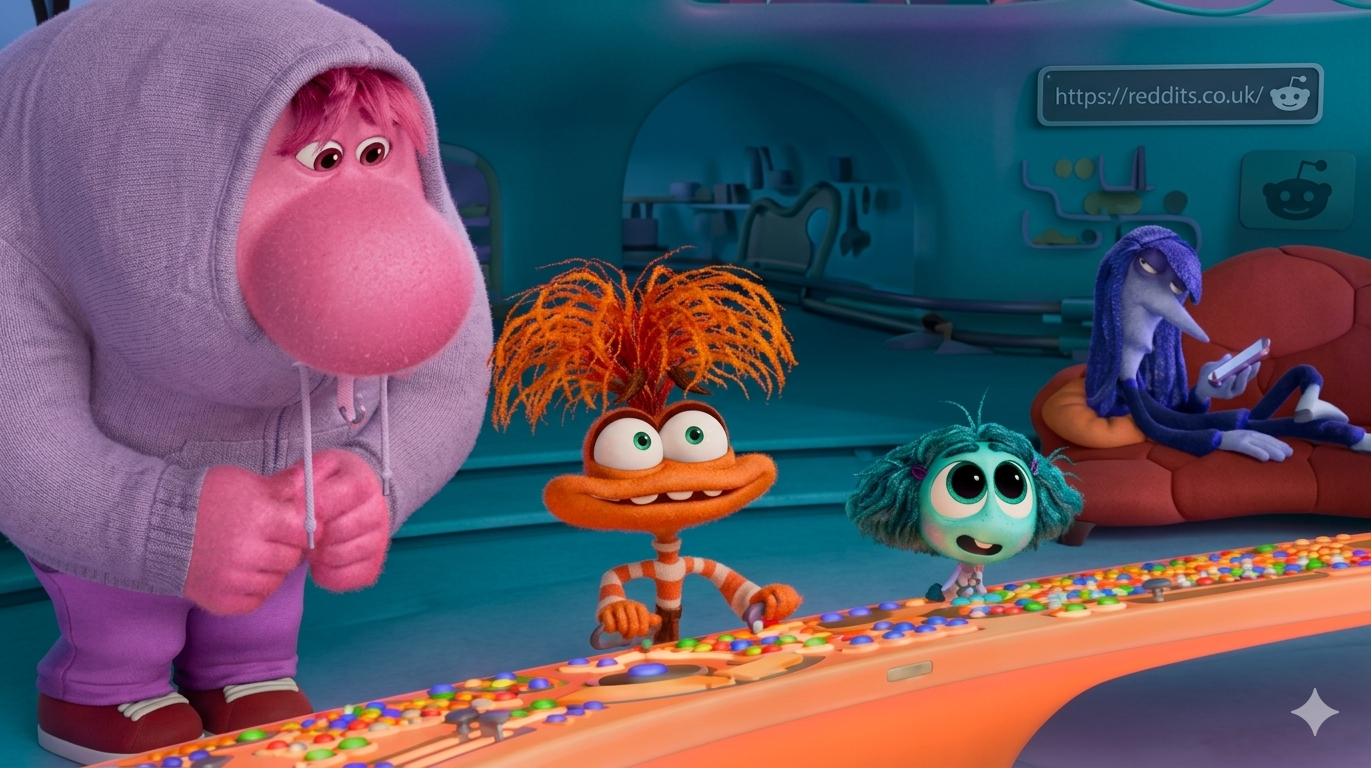
Pixar’s Inside Out captured hearts worldwide in 2015 by turning the inner workings of a young girl’s mind into a colorful, emotional adventure. Now, nearly a decade later, Inside Out 2 brings audiences back to the vibrant mental landscape of Riley Andersen, exploring what happens as she steps into the challenges and excitement of adolescence. This sequel goes beyond childhood feelings to delve into teen emotions, identity, and self-discovery, introducing new characters while revisiting familiar friends in the mind.
Riley’s Journey Continues
In the original movie, Riley’s emotions—Joy, Sadness, Anger, Fear, and Disgust—guided her through the turbulent early years of childhood. Now, at 13, Riley faces a new world of experiences. Middle school social pressures, first crushes, and the search for independence all create a complex emotional environment.
Riley’s mind has expanded since the first film. The once simple “Headquarters” is now a hub of adolescent development, featuring new control panels, memory archives, and a few unexpected surprises. The sequel shows how the mind adapts as life becomes more complicated and relationships become more nuanced.
Returning Emotions
Joy continues to lead Riley’s emotions, maintaining her signature optimism and energy. However, she learns that sometimes happiness comes from letting other emotions take the lead, highlighting emotional maturity.
Sadness evolves into a reflective force, helping Riley understand and process her changing world. She becomes more central in moments where Riley faces disappointment or loss.
Anger, Fear, and Disgust each have unique roles in Riley’s adolescent experience. Anger helps Riley assert herself, Fear keeps her cautious, and Disgust navigates the tricky social hierarchies of middle school. These returning emotions now interact with the new feelings Riley experiences as a teenager.
Introducing New Emotions
Inside Out 2 expands the emotional universe with four brand-new characters, each representing emotions that are especially relevant during adolescence:
Anxiety
Anxiety represents the heightened awareness teens feel when confronted with social pressures or self-doubt. In Riley’s mind, Anxiety is jittery and alert, always predicting what might go wrong, but also capable of providing guidance when used wisely.
Envy
Envy personifies the comparisons teens make between themselves and others. Envy can be mischievous, drawing Riley’s attention to what she lacks, but also helps her understand ambition and desire.
Ennui
Teenage boredom and apathy manifest as Ennui. Slow-moving and contemplative, Ennui embodies Riley’s struggle to stay engaged when things feel mundane or repetitive. However, Ennui often sparks creativity by pushing Riley to seek new experiences.
Embarrassment
Embarrassment amplifies awkward moments, providing comic relief while exploring the social anxieties of adolescence. This emotion encourages Riley to reflect on mistakes and learn humility.
Character Dynamics
The interplay between old and new emotions forms the heart of Inside Out 2. Joy often clashes with Anxiety’s over-caution, while Envy and Disgust compete to influence Riley’s decisions about friends and school. Ennui and Sadness occasionally team up to slow Riley down, forcing her to examine her feelings in depth. Embarrassment adds unpredictable reactions, often creating chaotic but humorous situations.
These dynamics create a realistic portrayal of adolescent emotions—sometimes contradictory, sometimes harmonious—but always integral to Riley’s personal growth.
The Emotional Challenges of Adolescence
Inside Out 2 tackles themes that resonate with modern teens. Social media, peer pressure, and identity crises all play a role in Riley’s story. For instance, Anxiety might flare when Riley is glued to her phone, comparing herself to friends online. Envy might appear during school events or competitions. Ennui can take over on slow days, while Embarrassment emerges in moments of social awkwardness.
This emotional diversity mirrors real teenage experiences, emphasizing that growth comes from understanding and balancing these feelings rather than suppressing them.
Plot Highlights
While avoiding spoilers, the film follows Riley as she navigates:
- School Transitions – A new teacher and shifting friendships challenge her confidence.
- Family Dynamics – Her parents struggle to understand Riley’s changing needs, creating moments of conflict and bonding.
- Self-Discovery – Riley encounters opportunities to explore talents, hobbies, and personal identity.
- Emotional Integration – The emotions must work together to help Riley make choices, solve problems, and grow emotionally.
The story is an emotional rollercoaster, blending humor, heartfelt moments, and visually imaginative sequences within Riley’s mind.
Visual Style & Animation
Pixar maintains its signature vibrant animation style while updating the visual design to reflect adolescence. The Headquarters is larger and more complex, with new zones representing teen interests: music, social media, creativity, and memory archives of past childhood experiences. Emotions have updated designs to reflect both their personality and the added complexity of teenage psychology.
New Memory Concepts
The film introduces the concept of “blended adolescent memories”, where multiple emotions coexist in a single memory, reflecting how complex teen experiences often combine joy, anxiety, and embarrassment. These blended memories create dynamic sequences inside Riley’s mind, showing the richness of her inner world.
Merchandise & Creative Extensions
As with the first movie, Pixar released Inside Out 2 toys, plushes, and themed merchandise. Fans can explore:
- Character plush figures of Joy, Sadness, and new emotions.
- Playsets of Riley’s updated Headquarters.
- Art books detailing the new animation designs and emotional concepts.
- Digital and printable coloring pages of the new emotion characters.
These products allow fans to interact with the characters and explore emotional learning in creative ways.
Themes & Lessons
Inside Out 2 teaches several vital lessons:
- Every Emotion Matters – All feelings, even negative ones, contribute to growth.
- Balance Is Key – Teen emotions must be balanced for healthy decision-making.
- Self-Understanding – Reflecting on inner feelings leads to stronger self-awareness.
- Adaptation to Change – Adolescence is full of change, and emotional flexibility is essential.
The film highlights that growing up involves learning to navigate complex emotional landscapes, where joy and sadness, envy and admiration, and anxiety and courage all coexist.
Audience Reception
While still fresh in theaters, audiences are responding positively to the deeper exploration of teen psychology. Parents appreciate the continuation of Riley’s story, while teens find humor and relatability in the new emotions. Critics praise the balance of fun, visual inventiveness, and emotional depth, calling it “an essential sequel that respects the intelligence of its audience.”
Where to Watch Inside Out 2
- Theatrical Release: Available in cinemas worldwide.
- Streaming: Expected on Disney+ a few months after release.
- Home Media: Blu-ray and DVD editions include bonus content, like behind-the-scenes animation insights and short clips on new emotion development.
Conclusion
Inside Out 2 is more than a family movie; it is a deep dive into adolescent emotional complexity. By expanding Riley’s emotional universe, Pixar continues to educate, entertain, and inspire audiences. From Joy to Ennui, every character has a role in teaching empathy, self-reflection, and understanding the power of emotions.
For anyone who has grown up with Riley, or is navigating adolescence themselves, Inside Out 2 offers laughter, tears, and a colorful journey inside the mind that is as relatable as it is imaginative.