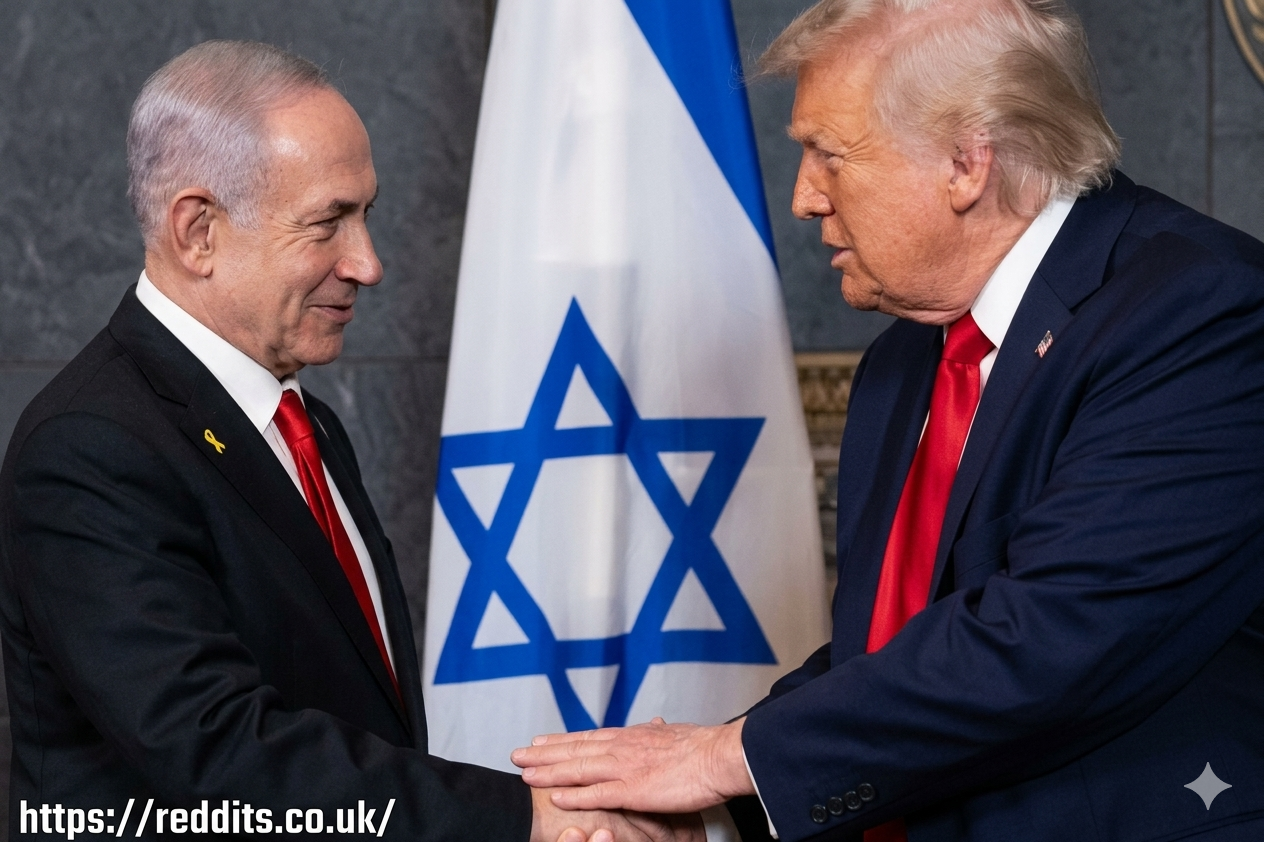
The relationship between Donald Trump, the 45th President of the United States, and Benjamin Netanyahu, Israel’s long‑serving prime minister, has been one of the most prominent and consequential international political partnerships of the 21st century. Shaped by shared strategic interests, personal rapport, and complex challenges in the Middle East, the Trump‑Netanyahu dynamic tells a story of alliance, tension, and global significance.
Origins of Their Political Alliance
Donald Trump and Benjamin Netanyahu first developed a close working relationship when Trump took office in 2017. Their alignment was rooted in:
- Shared Views on National Security: Both leaders prioritized countering what they saw as aggressive regional threats, especially from Iran.
- Commitment to Strong U.S.–Israel Ties: Under Trump’s administration, diplomatic support for Israel was a central pillar of U.S. foreign policy.
- Mutual Political Support: Each recognized the other as a global conservative figure, and both leveraged their relationship domestically to reinforce foreign policy positions.
Their cooperation was a hallmark of U.S.–Israel relations during Trump’s presidency.
Pivotal Moments in Their Relationship
Historic White House Meetings
Trump and Netanyahu met multiple times at the White House. These visits often focused on:
- Security Cooperation: Discussing shared defense goals, particularly regarding Iran’s nuclear program and missile capabilities.
- Peace Initiatives: Reviewing U.S.‑brokered proposals aimed at Middle East peace, with differing emphases on negotiation versus deterrence.
- Diplomatic Strategy: Setting coordinated goals for international forums and regional allies.
Netanyahu’s visits to Washington were seen as major diplomatic milestones, reinforcing the strategic bond between the two nations.
Policy Convergence and Strategic Agreements
During their frequent meetings, key policy decisions and public stances shared common themes:
- Iran Strategy: Trump supported maximum pressure tactics against Iran, aligning with Netanyahu’s longstanding opposition to Tehran’s regional influence and nuclear aspirations.
- Regional Security: Both leaders emphasized building and strengthening alliances beyond traditional bilateral diplomacy.
- Military Cooperation: Joint exercises, defense agreements, and intelligence sharing were consistent features of their policy coordination.
Their press conferences often showcased unity, with both leaders underscoring the importance of a robust U.S.–Israel relationship.
Moments of Tension and Divergence
Despite deep cooperation, the Trump‑Netanyahu relationship was not without friction:
- Approaches to Peace: While Trump promoted dialogue and negotiated solutions, Netanyahu sometimes advocated for a firmer stance on security measures.
- Public Rhetoric: Sharp statements and political posturing occasionally created public debate over the nature of their alliance.
- Policy Differences: On certain ceasefire proposals or diplomatic concessions, Trump and Netanyahu found themselves advocating different priorities.
These divergences highlighted the challenge of balancing strong alliance with differing national interests.
The Mar‑a‑Lago Meeting and Continued Contact
Even after Trump’s presidency, their contact continued — including high‑profile private meetings, such as at Mar‑a‑Lago in Florida. These encounters reflected not only ongoing strategic conversations but also their personal rapport.
At these meetings, discussions often touched on:
- Continued regional stability
- Diplomatic initiatives with global partners
- Shared visions for peace and security
Their discussions kept the Trump‑Netanyahu axis relevant long after Trump left the Oval Office.
Public Perception and Media Coverage
The Trump‑Netanyahu relationship generated intense media interest across the globe. Key themes in coverage included:
- Strong Diplomatic Alliance: Many commentators emphasized the historically close bond between U.S. and Israeli leadership.
- Political Influence: Analysts debated how much influence each leader had over the other’s policy decisions.
- Media Scrutiny: Every public statement or photograph of Trump and Netanyahu sparked headlines, from press conferences to candid moments during meetings.
Photos capturing the two leaders — whether at official ceremonies or in private settings — became symbols of the enduring partnership between their countries.
Legacy and Future Implications
As global dynamics shift, the Trump‑Netanyahu relationship remains a reference point for U.S.–Israel relations. Its legacy includes:
- Reinvigorated Diplomatic Engagement: Their alliance set a precedent for future leaders to maintain close dialogue on global security.
- Strategic Coordination: Shared policy frameworks forged during their tenure have outlasted specific political eras.
- International Influence: Their coordinated positions impacted negotiations, peace talks, and regional relations across the Middle East.
Even amid changing leadership in both the U.S. and Israel, the Trump‑Netanyahu era continues to shape diplomatic strategy and geopolitical conversation.
Conclusion
The partnership between Donald Trump and Benjamin Netanyahu has been one of the most prominent international relationships of recent decades. Built on strategic alignment and reinforced through high‑profile meetings, shared goals, and challenging negotiations, their alliance captured global attention. While marked by both cooperation and disagreement, it underscores the complex interplay of leadership, diplomacy, and geopolitical strategy in a turbulent world.